When the Giver of Life Brings Judgment: A Parable on Hypocrisy
Have you ever been lured into buying something based solely on its packaging, only to find out the product inside was broken or missing altogether? The disappointment isn’t just about the missing product; it’s about being misled.
Throughout the Gospels, Jesus is often depicted as the one who brings life—healing the sick, feeding the hungry, and even resurrecting the dead.
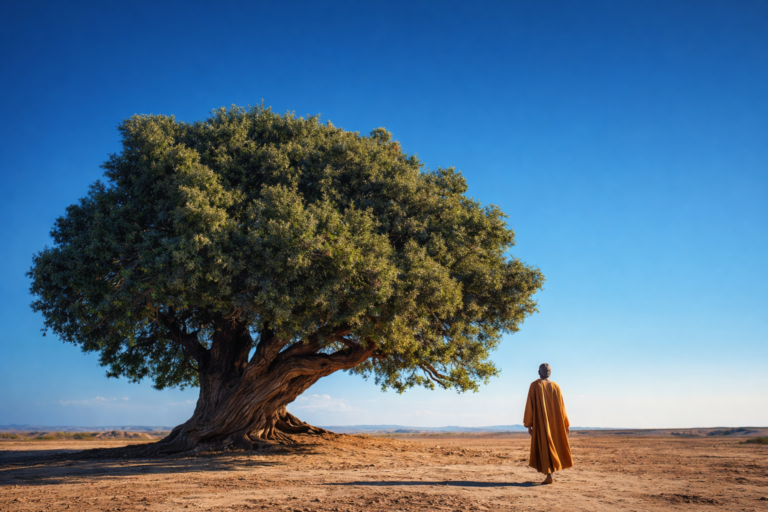
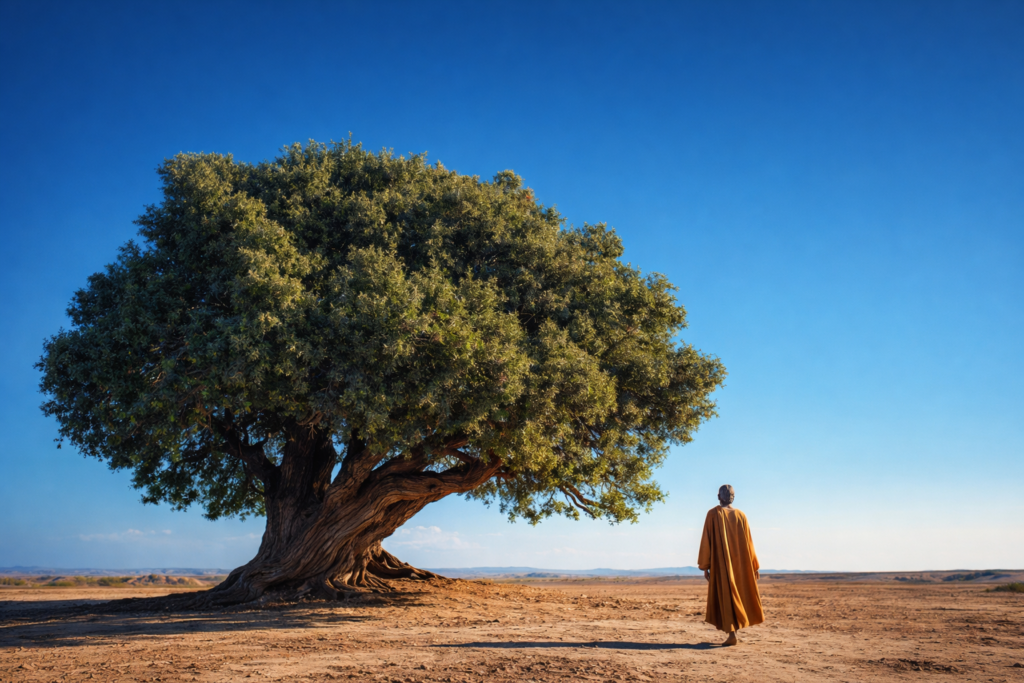
However, in Mark 11, He does something unexpected. Jesus approaches a tree covered in leaves, finds no fruit, and with a single sentence, causes it to wither away.
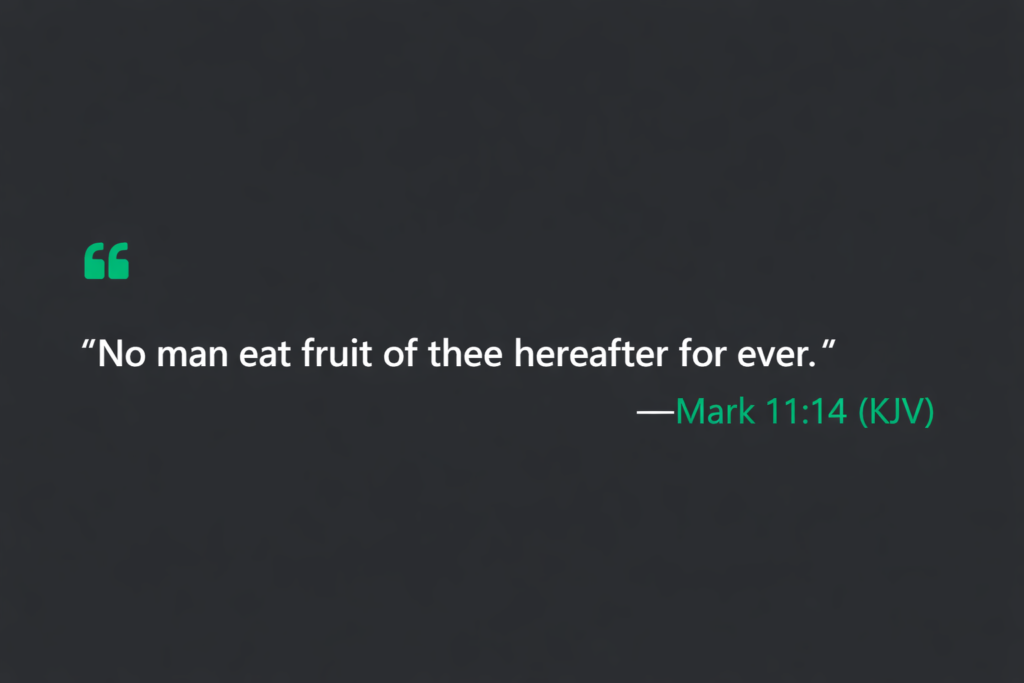
What could have led this compassionate, life-giving figure to condemn a tree?
Was He simply having a bad day? No. It wasn’t an outburst of anger. Rather, Jesus was acting out a profound truth: God detests empty displays. He’s not fooled by the “leaves” of religious activity. What He seeks is the fruit that stems from a transformed heart.
Part I: The Biology of the Curse (The Early Figs)
The Trap of Appearances
Critics often point to Mark 11:13—“for it was not the season for figs”—to argue that Jesus was being unjust. How could He curse a tree for not bearing fruit when it wasn’t even the right season?
Here’s where biology holds the answer: In the Middle East, fig trees bear an early crop of small figs, known as breba or pagsh, alongside or just before the appearance of leaves.
So, when the tree displayed its leaves, it should have also borne these early figs.
The Reality: The tree was promising a meal (through its leaves) but offered nothing in return.
The Verdict: It was a hypocrite. It showed promise but delivered only empty leaves.
Jesus didn’t curse the tree for being barren; He cursed it for pretending to be fruitful when it was, in fact, empty.
Part II: The Theology of the Temple
The “Markan Sandwich”
The Gospel of Mark employs a technique known as “sandwiching,” which includes framing one event with another.
- First slice of bread: Jesus curses the fig tree (Mark 11:12-14).
- Filling: Jesus cleanses the Temple (Mark 11:15-19).
- Second slice of bread: The disciples witness the withered fig tree (Mark 11:20-21).
The significance of the tree parallels the condition of the Temple. When Jesus entered Jerusalem, He saw a Temple full of outward “leaves”—wealth, rituals, priests, and crowds. It appeared religious, it appeared alive.
But on closer inspection, it bore no fruit of righteousness. The Temple had become a “den of thieves,” a place of corruption rather than worship. By cursing the tree, Jesus was symbolically enacting the future destruction of the Temple in 70 A.D. He was rejecting a religious system that had ceased to bear the fruit of true devotion to God.
For a deeper understanding of Jesus’ anger in the Temple, check out Did You Know Jesus Once Got Angry?.
Part III: Addressing Common Misunderstandings
Misconception 1: Jesus despises nature.
Correction: Jesus is the Creator of the fig tree (Colossians 1:16). As its Creator, He has the authority to use it as an illustration to expose spiritual hypocrisy. The death of the tree served a higher purpose than its existence as a tree.
Misconception 2: Faith is for destruction.
Correction: After the fig tree withered, Jesus taught about faith that can move mountains (Mark 11:23). The same power that judged the tree is available to believers in prayer. Faith can either bring judgment or make the impossible possible—it all depends on God’s will.
Misconception 3: “Leaves” are enough.
Correction: We often assume that participating in church services, knowing Christian terminology, or sharing Bible verses is sufficient. These are merely “leaves.” God is looking for the fruit of the Spirit—qualities like love, joy, peace, and patience (Galatians 5:22). While leaves only provide cover, fruit nourishes and sustains others.
For more on true spiritual fruit, read The Blessed Man of Psalm 1.
Conclusion: Are You Bearing Fruit?
Why did Jesus curse the fig tree? It wasn’t out of frustration or anger—it was a lesson about the dangers of superficial faith.
God isn’t impressed by our external actions, our performance, or our reputation. He desires genuine transformation. He wants our hearts to bear fruit—fruit that reflects a life changed by His love and power.
The withered tree serves as a stark warning: A faith that is only skin-deep will eventually wither. But a faith deeply rooted in Christ will always bear fruit for the hungry soul.
Reflection: If Jesus examined your life today, would He find fruit—or just empty branches?
About the Author