This article is based on my video research and interpretation of ancient texts for educational purposes.
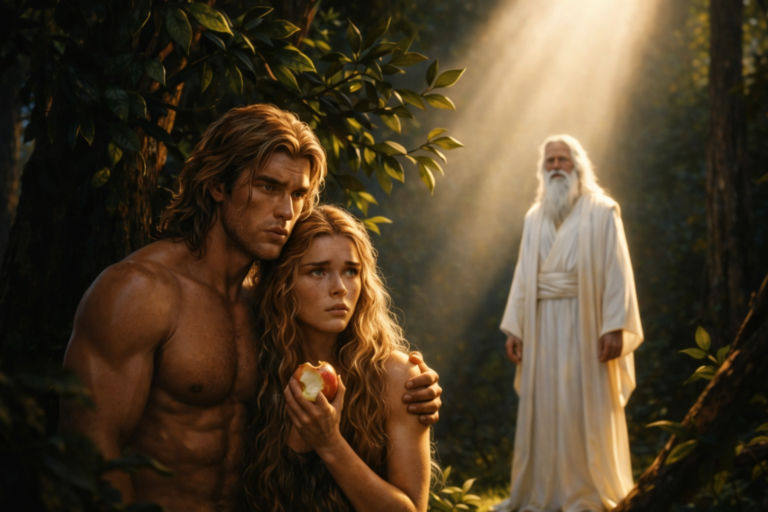
The Book of Enoch is one of the most intriguing ancient texts associated with biblical tradition. It expands on themes found in Genesis and other scriptures, describing giants, fallen angels, divine judgment, and cosmic order. Over time, these descriptions have been interpreted in many ways—some symbolic, others literal.
This article explores what the Book of Enoch actually says about these beings and how those passages are commonly understood, while clearly separating scriptural text from modern speculation.
Giants and the Flood
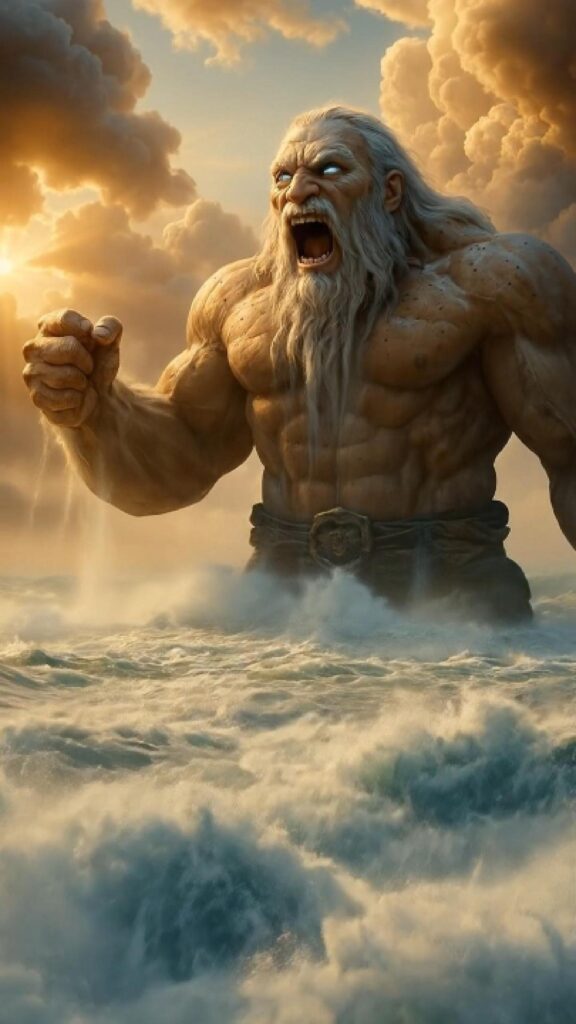
According to the Book of Enoch, the Nephilim were giants born from the union of rebellious angels—often called the Watchers—and human women. These giants are described as violent and destructive, consuming everything around them and corrupting the earth.
Because of this corruption, the text explains that God brought the Great Flood, wiping out the giants and cleansing the world. This aligns with the biblical account in Genesis, which states that the earth had become filled with violence before the flood.
The Spirits of the Giants
One of the most debated passages in the Book of Enoch concerns what happened after the giants were destroyed.
The text states that when the Nephilim died, their bodies were destroyed, but their spirits remained. These spirits are described as wandering the earth, causing corruption and influencing humanity. In later Jewish tradition, these spirits are often associated with what people call evil spirits or demons.
This idea is part of ancient religious interpretation, not modern science, and is understood symbolically by many scholars.
Fallen Angels and Judgment
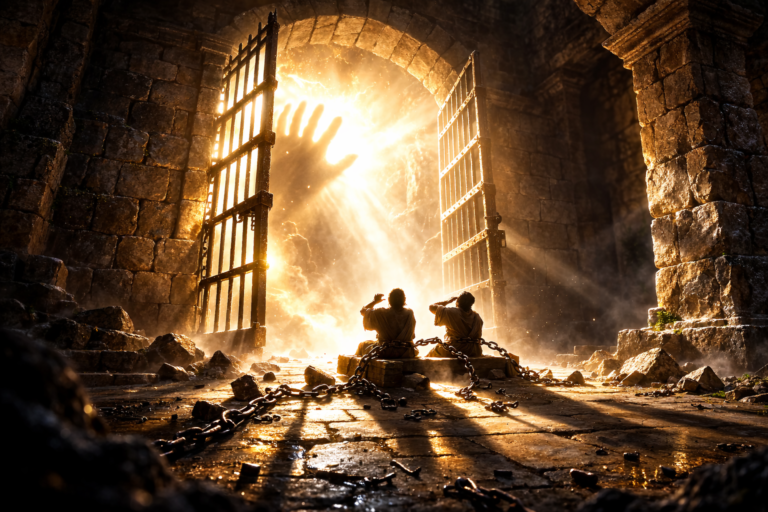
The Book of Enoch describes angels who rebelled against God being cast down from heaven. They are restrained and held in specific places—such as the wilderness or the depths—until a future day of judgment.
Biblical passages in Jude and 2 Peter also reference angels who “did not keep their proper domain” and were placed in chains of darkness. However, Scripture does not provide physical descriptions of these restraints, nor does it suggest they are actively ruling the world.
Behemoth and Leviathan
Enoch and other biblical texts mention Behemoth and Leviathan, powerful creatures representing chaos on land and sea.
Scholars often understand these beings in one of three ways:
- Symbolic representations of chaos and untamed creation
- Mythic imagery used to describe God’s power
- Ancient poetic language, not literal monsters roaming today
The Book of Enoch does not claim these beings are currently active in the world.
Angels, Stars, and Symbolism
Some passages describe fallen angels as being cast down “like burning stars.” In ancient writing, stars often symbolize spiritual beings, authority, or rank—not literal objects falling from space.
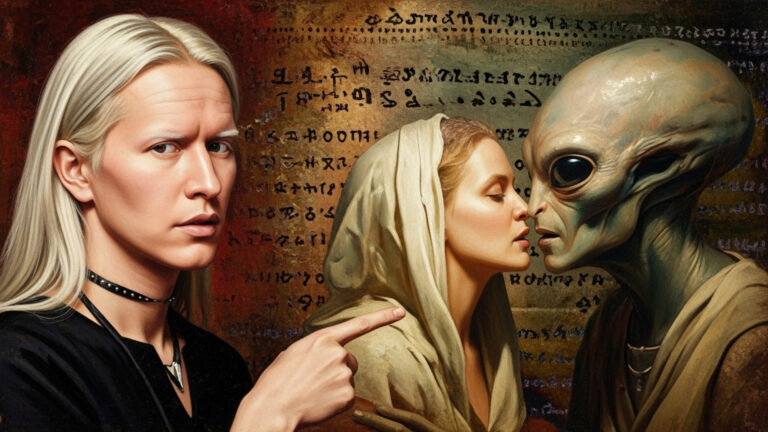
Because of this symbolic language, modern attempts to connect these passages to UFOs or extraterrestrial activity are speculative and not supported by biblical scholarship. The Book of Enoch does not describe flying machines or advanced technology.
Judgment and the End of the Age
A central theme of the Book of Enoch is judgment. The text repeatedly emphasizes that all rebellion—whether human or angelic—will ultimately be addressed by God.
When judgment arrives, the text describes upheaval in:
- The land
- The sea
- The heavens
This language mirrors biblical apocalyptic imagery found in books like Daniel and Revelation, where cosmic disturbance symbolizes divine authority and restoration rather than uncontrolled chaos.
Separating Scripture from Speculation
While modern storytelling often blends biblical texts with conspiracy theories, it is important to distinguish:
- What the Book of Enoch actually says
- From how people interpret or exaggerate those passages today
The text focuses on moral accountability, rebellion, and divine justice, not secret knowledge hidden from humanity.
Conclusion
The Book of Enoch presents a dramatic picture of giants, fallen angels, and judgment, using symbolic and ancient language to communicate spiritual truths. While these passages have inspired countless theories, they are best understood within their historical and religious context, not as evidence of modern phenomena.
As with all ancient texts, discernment is essential—studying what is written without adding what is not.
About the Author