A Recent Sky Sighting and Ancient Biblical Descriptions: An Interpretive Discussion
This article is written for educational and discussion purposes. It examines reported footage, historical religious texts, and public interpretations without asserting scientific or theological conclusions.
Introduction
Imagine stepping outside late at night when the streets are quiet and the sky feels unusually still. You expect to see nothing more than clouds and distant stars. But instead, you notice a glowing shape above the clouds — large, silent, and unfamiliar.
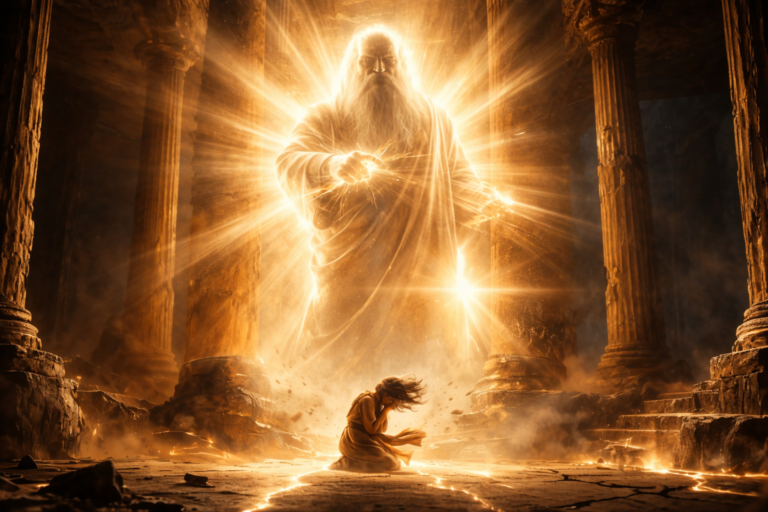
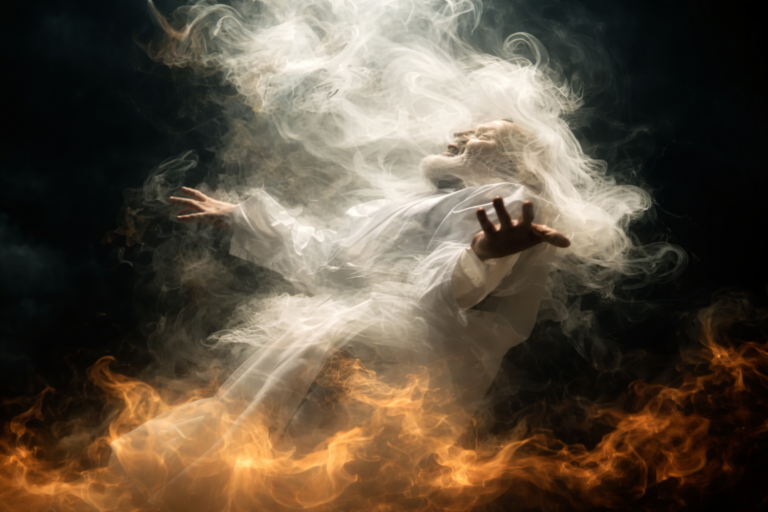
This is what some residents in New Jersey claim they recently witnessed. A short video shared online appears to show a towering, human-like form shifting slowly within misty clouds. The figure seems faintly illuminated, though the source of the light is unclear.
Within hours, the footage spread rapidly across social media. Reactions varied widely. Some viewers suggested digital manipulation or visual distortion, while others felt the image resembled descriptions found in ancient religious texts.
Public Reaction and Visual Interpretation
Online discussions surrounding the video highlight how differently people interpret the same visual information. Some see a simple optical illusion caused by clouds, lighting, and perspective. Others view it as something more unusual, noting the proportions and slow movement of the shape.
Psychologists and media analysts often point out that when footage is unclear, the human brain fills in gaps using familiar ideas, beliefs, and cultural imagery. This is especially common with low-light videos or distant objects.
Angels in Biblical Texts
Popular culture often depicts angels as gentle, human-like figures with wings. However, biblical descriptions are far more complex and symbolic.
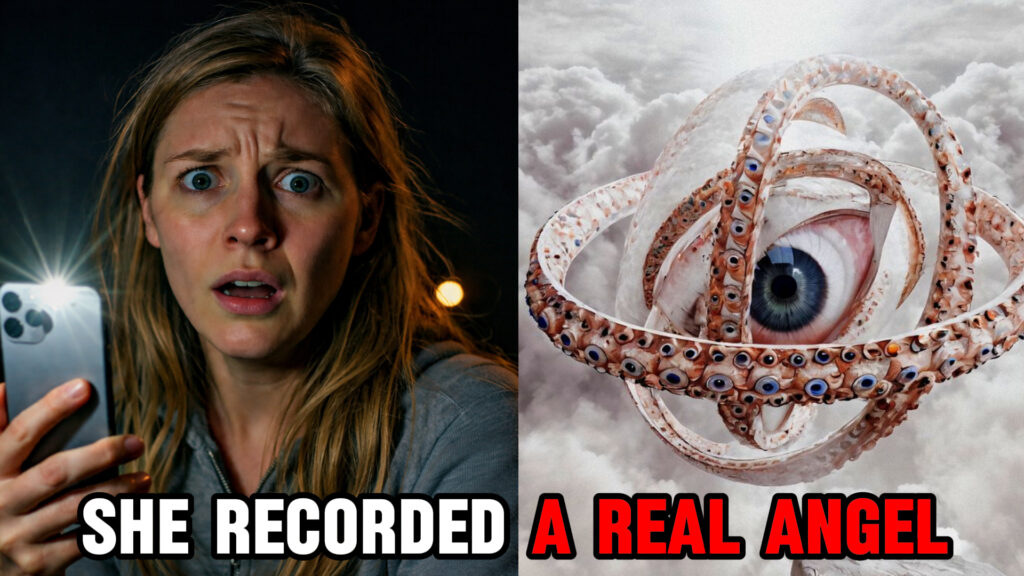
In the Book of Ezekiel, the prophet describes visionary beings unlike anything humans normally imagine. He writes of wheels within wheels, covered in eyes, radiant and overwhelming in appearance. These visions are widely understood by scholars as symbolic language meant to express divine power, movement, and order.
Such descriptions were not intended as physical blueprints, but as theological imagery used to communicate experiences beyond ordinary human understanding.
Comparing Ancient Language and Modern Imagery
When modern viewers compare unclear sky footage to ancient descriptions, it does not mean the two are directly connected. Rather, it reflects how people across different eras attempt to explain unfamiliar sights using the language available to them.
Ancient writers used metaphor and symbolism. Modern audiences often rely on technology, speculation, and visual analysis. Both approaches reveal more about human perception than about the nature of the phenomena themselves.
Signs in the Heavens and Interpretation
Biblical texts sometimes speak of signs in the heavens, often in poetic or prophetic language. In Matthew 24, Jesus warns that future events will include signs that cause amazement and concern among many people. These passages are commonly interpreted as symbolic warnings rather than literal forecasts of specific events.
Throughout history, periods of uncertainty have often led people to interpret unusual sights as meaningful signs. This pattern continues today, especially in an age where information spreads instantly.
Modern Reports and Unidentified Phenomena
In recent years, reports of unidentified aerial phenomena have increased, largely due to better cameras and greater public interest. Governments and scientific organizations often attribute these sightings to aircraft, atmospheric effects, or sensor limitations.
While some cases remain unexplained, “unidentified” does not automatically mean extraordinary. It simply means more data is required.
Concerns About Deception in Scripture
Some theological discussions reference warnings found in the Book of Revelation, where powerful signs and wonders are described as potential sources of deception. These passages are generally interpreted symbolically, emphasizing discernment rather than fear.
Religious scholars often stress that these warnings are meant to encourage careful judgment, not panic or speculation.
Reflection Rather Than Fear
Whether the New Jersey footage is an illusion, a technical artifact, or something not yet fully explained, its impact lies in how people respond to it. The video has prompted discussions about belief, perception, history, and the relationship between ancient texts and modern technology.
Rather than drawing definitive conclusions, such moments offer an opportunity for thoughtful reflection.
Final Thoughts
Unusual images in the sky have always captured human attention. Ancient writers recorded their experiences using symbolic language. Modern viewers analyze images through technology and personal belief.
This does not mean the sky is revealing something supernatural, nor does it rule out deeper meaning for those who approach these events through faith. It simply reminds us that humanity continues to search for understanding.
The question, then, is not what we should fear — but how carefully we interpret what we see.
Are these sightings merely visual phenomena shaped by perception and context?
Or are they reminders of how powerful unknowns can feel when we lack complete answers?
The conversation remains open — and thoughtful discussion is far more valuable than certainty.
Watch the Full Video
You can watch the full video with animations below, and you’re also welcome to visit my YouTube channel for more content like this.
About the Author