The Siberian “Fallen Angel” Statue: Fact, Rumor, and Biblical Interpretation
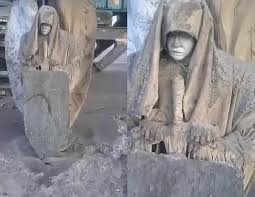
In January 2000, a mysterious discovery in Siberia, Russia, began circulating across the internet and alternative history communities. According to widely shared claims, a group of 23 Russian coal miners reportedly uncovered a massive, angel-like figure while digging deep underground.
The object was described as frightening and lifelike—an enormous humanoid form with large wings and detailed features that made it appear more than a simple sculpture. Many who encountered the story claimed the figure looked like a being that had been turned into stone, rather than something carved by human hands.
The Discovery in Siberia
Reports claim that the miners, disturbed by what they had found, informed authorities. Soon after, government officials allegedly arrived and transported the object away by helicopter for further examination.
According to rumors that followed, officials stated the object was approximately 10,000 years old. What made the story even more unusual was the claim that parts of the figure—particularly the clothing—were not carved from stone like the rest of the structure, but instead appeared to be fabric that had become petrified.
These details caused many people to question whether the object could truly be an ancient statue at all.
Rumors of a Fallen Angel
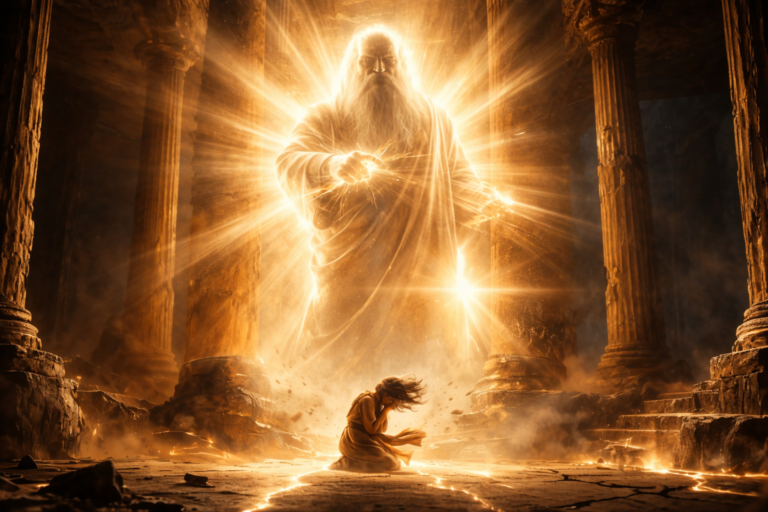
As the story spread online, speculation grew. Some began suggesting that the figure was not a statue, but a fallen angel trapped in stone and buried deep beneath the earth.
Supporters of this idea often reference biblical passages that speak of angels who rebelled against God and were cast down and restrained in darkness until a future judgment. Verses such as those found in Genesis, 2 Peter, and Jude are commonly cited in these discussions.
It is important to note that the Bible does not describe angels being turned into stone, but it does mention rebellious angels being restrained and removed from their original domain. This has led some to interpret the Siberian story through a biblical lens—though such interpretations remain speculative.
Media Influence and Pop Culture
Adding to the intrigue, similar ideas have appeared in popular culture. Even animated series like The Simpsons have featured episodes involving the discovery of ancient angelic statues, which some believe helped fuel interest and confusion around the Siberian story.
However, appearances in entertainment do not serve as evidence and often blend myth, satire, and imagination.
The Lack of Official Evidence
One of the biggest reasons the story continues to circulate is the absence of verifiable information.
Since the alleged removal of the object:
- No official photographs have been released
- No scientific reports have been published
- No credible academic sources have confirmed the discovery
Because of this, researchers and historians widely classify the Siberian fallen angel statue as an unverified claim or modern legend, rather than an established archaeological finding.
Separating Belief from Evidence
Stories like this highlight the difference between faith, symbolism, and physical evidence. While the Bible does describe spiritual beings and divine judgment, it does not provide physical descriptions that can be directly matched to claims like a petrified angel statue.
From an academic and historical standpoint, extraordinary claims require extraordinary evidence, and at present, no such evidence has been publicly verified for this discovery.
Why the Story Persists
Despite the lack of confirmation, the story continues to spread because it touches on powerful themes:
- Ancient secrets
- Hidden history
- Biblical mystery
- Fear of suppressed knowledge
These themes resonate deeply with human curiosity, especially when combined with religious symbolism and secrecy.
Conclusion
The so-called Siberian fallen angel statue remains an unproven and unverified story. While it is often linked to biblical narratives about fallen angels, there is no confirmed evidence that such a being was ever discovered or removed by authorities.
As with many mysteries tied to faith and ancient history, this story is best approached with discernment, separating documented facts from speculation and rumor.
About the Author